Lightweight Panels That Lay Flat
Tape-In Extensions for clients in Marietta, Georgia who want reusable wefts that install quickly and blend naturally.
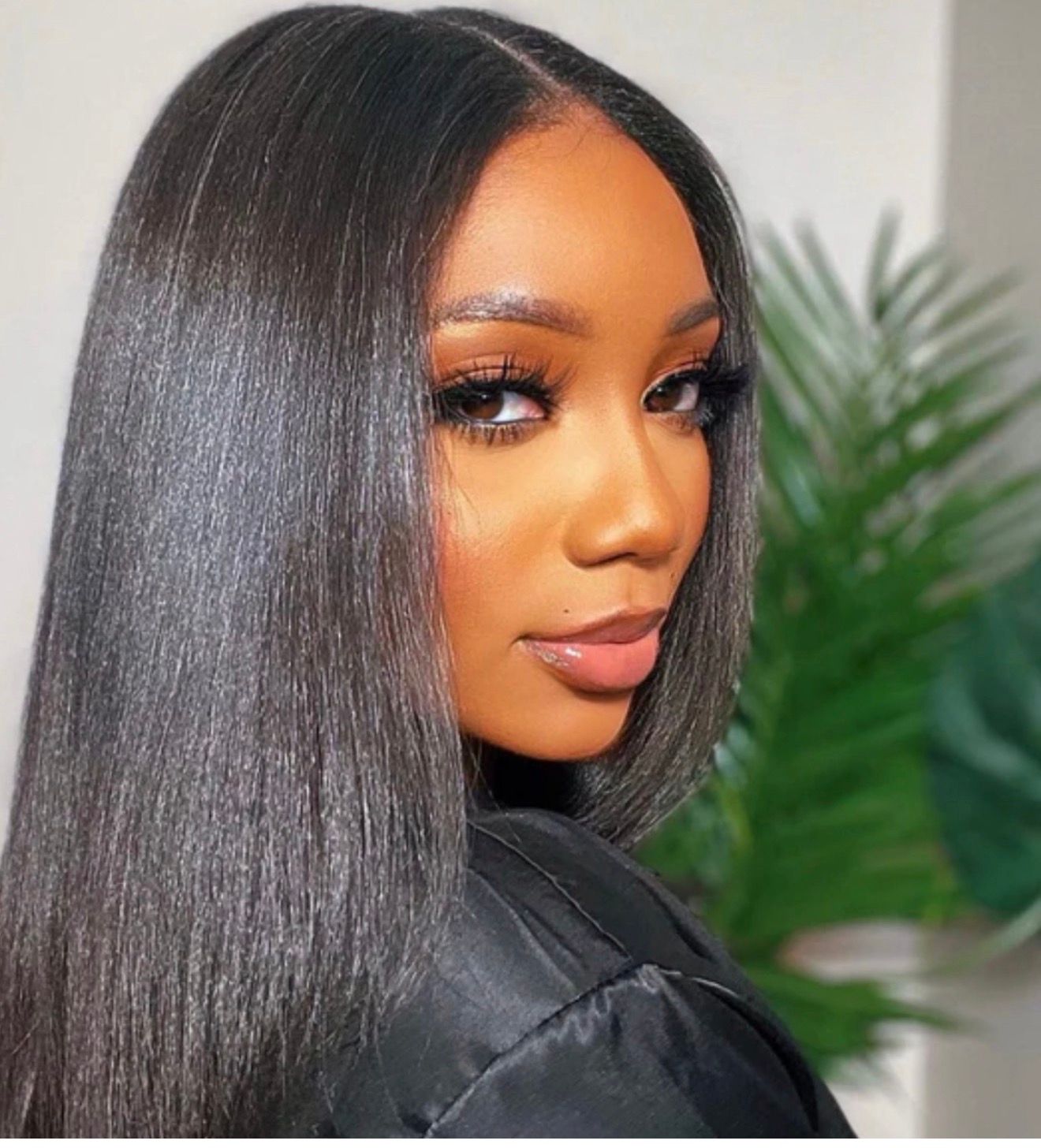
If you want length or volume without spending hours in the chair, tape-in extensions are designed to be installed quickly and removed cleanly when it is time for a move-up. The wefts are thin, flexible panels that stick to your natural hair using medical-grade adhesive, and they lay flat enough to stay hidden under your top layer. In Marietta, clients choose tape-ins when they want a method that can be reused multiple times and does not require heat or glue applied directly to their strands.
Salon 2120 Suites blends each weft to match your hair texture and places them in sections that create natural layering and movement. This method works best for clients with medium-density hair who want a seamless look without adding too much weight. Move-ups are typically scheduled every six to eight weeks to keep the wefts positioned correctly as your natural hair grows. During your consultation, your stylist will determine how many panels you need and where they should be placed for the most natural result.
If you live in Marietta and want extensions that are quick to install and easy to maintain, reach out to Salon 2120 Suites to schedule your consultation.
How Tape-In Wefts Are Placed and Maintained
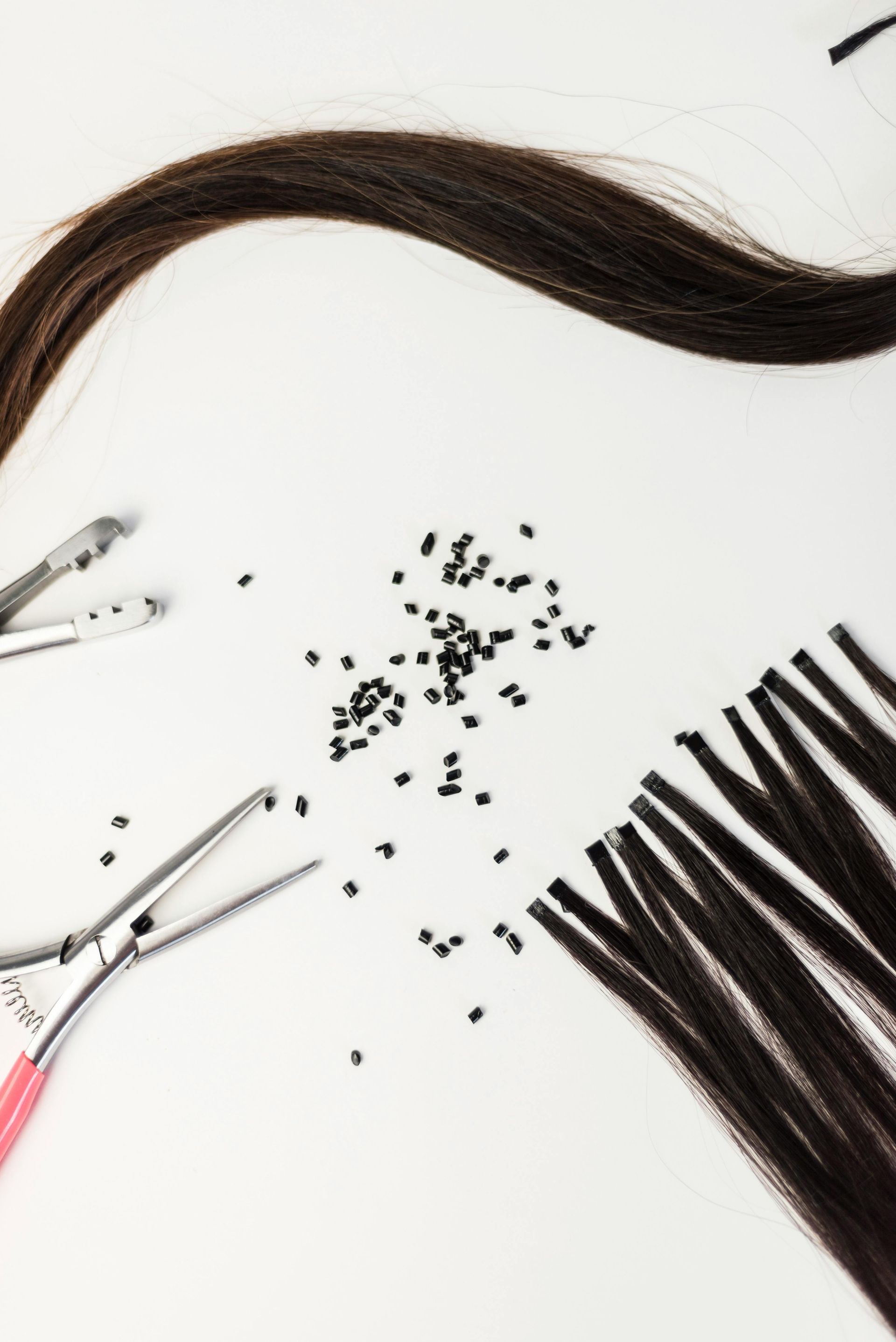
Your stylist sections your hair horizontally and sandwiches small sections between two adhesive wefts. The panels are pressed firmly to create a secure hold, and each row is stacked carefully so nothing overlaps or bunches. In Marietta, most tape-in installs take one to two hours depending on how many wefts are being applied and how thick your natural hair is.
After the install, your hair will feel fuller and longer, but still light enough to brush and style normally. The wefts will not pull or tug on your scalp, and you will not see the tape when your hair is down or pulled into a low ponytail.
Tape-ins need to be moved up every six to eight weeks as your hair grows and the wefts slide down. Your stylist will remove the old adhesive, reposition the wefts closer to your scalp, and apply fresh tape. This method works best for clients who can commit to regular salon visits and who are careful not to use oily products near the roots, which can loosen the adhesive.
What People Ask Before Trying Tape-Ins
Most clients want to know how long the wefts last, how they feel on the scalp, and whether they can reuse the same panels after a move-up. Here are the most common questions about tape-in extensions.
How long do tape-in extensions last before needing a move-up?
Most clients schedule move-ups every six to eight weeks depending on how fast their hair grows and how well they avoid oily products near the roots. The wefts themselves can be reused multiple times as long as they are still in good condition.
What does the tape feel like once the wefts are installed?
The adhesive is thin and flexible, so you should not feel it against your scalp. Most clients forget the wefts are there after the first day or two.
Why are tape-ins best for medium-density hair?
Tape-ins rely on having enough natural hair to sandwich between the wefts and keep them secure. If your hair is too fine, the wefts may slip or show through, and if your hair is very thick, you might need a different method to handle the weight.
How do I wash my hair with tape-in extensions?
You will use sulfate-free shampoo and avoid applying conditioner or oil directly on the tape. Your stylist will show you how to cleanse your scalp without loosening the adhesive or causing the wefts to slide.
What happens during a move-up appointment?
Your stylist removes the wefts using a solution that breaks down the adhesive, then applies fresh tape and repositions them closer to your scalp. The same wefts can be reused as long as they are still in good shape.
If you want reusable extensions that install quickly and blend naturally, tape-ins from Salon 2120 Suites in Marietta are a solid option. Contact us to book your consultation and talk through placement, color matching, and maintenance timing.